
How to Identify Your Skin Type at Home (2026 Beginner's Guide)
Learn how to identify your skin type at home with this easy step-by-step guide. Discover whether you have oily, dry, combination, normal, or sensitive skin and choose the right skincare products.
7/13/20269 min read

How to Identify Your Skin Type at Home (2026 Beginner's Guide)
Have you ever bought a skincare product because everyone on social media loved it, only to find that it didn't work for your skin? You're not alone.
One of the biggest skincare mistakes beginners make is choosing products without knowing their skin type. The truth is, even the most popular cleanser, serum, or moisturizer may not give you good results if it's not suited to your skin.
The good news is that you don't need expensive equipment or a dermatologist to get started. With a few simple observations, you can identify your skin type at home and make smarter skincare choices.
In this guide, we'll explain how to determine your skin type, what each skin type looks like, and how to choose products that help your skin look and feel its best.
Why Knowing Your Skin Type Matters
Before building a skincare routine, it's important to understand your skin's natural characteristics.
Your skin type influences how it reacts to products, weather, and daily habits. When you choose products that match your skin type, you're more likely to keep your skin comfortable and balanced.
Knowing your skin type can help you:
Choose the right cleanser and moisturizer.
Pick serums that target your skin concerns.
Avoid products that feel too heavy or too drying.
Build a routine that's easier to maintain.
Spend your money on products that are more likely to suit your needs.
Think of your skin type as the foundation of your skincare routine. Once you understand it, everything else becomes much easier.
What Are the Five Main Skin Types?


Most people fall into one of these five categories:
1. Oily Skin
Your skin produces more oil than average, especially in the T-zone (forehead, nose, and chin). It may look shiny a few hours after cleansing and can be more prone to clogged pores.
2. Dry Skin
Dry skin often feels tight, rough, or flaky. It may look dull and feel uncomfortable, especially after washing your face.
3. Combination Skin
Combination skin has both oily and dry areas. The T-zone is usually oilier, while the cheeks may feel normal or dry.
4. Normal Skin
Normal skin feels balanced. It's not overly oily or dry and generally feels comfortable throughout the day.
5. Sensitive Skin
Sensitive skin reacts more easily to certain products or environmental changes. You may notice redness, stinging, itching, or irritation after using some skincare products.
It's important to remember that skin type and skin concerns are different. For example, you can have oily skin that is also sensitive or dry skin with acne.
The Easy 30-Minute Skin Type Test
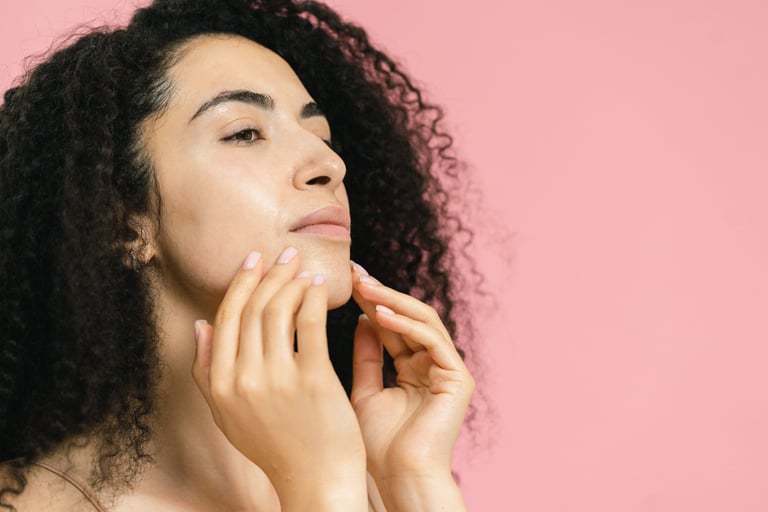
You may have oily skin if:
Your face becomes shiny within a few hours after cleansing.
Your forehead, nose, and chin produce noticeable oil.
Makeup doesn't stay in place for long.
You experience frequent clogged pores or blackheads.
You often reach for blotting papers during the day.
Best Ingredients for Oily Skin
Look for products containing:
Niacinamide
Green Tea
Salicylic Acid
Centella Asiatica
These ingredients can help balance oil while supporting healthy-looking skin.
Signs You Have Dry Skin
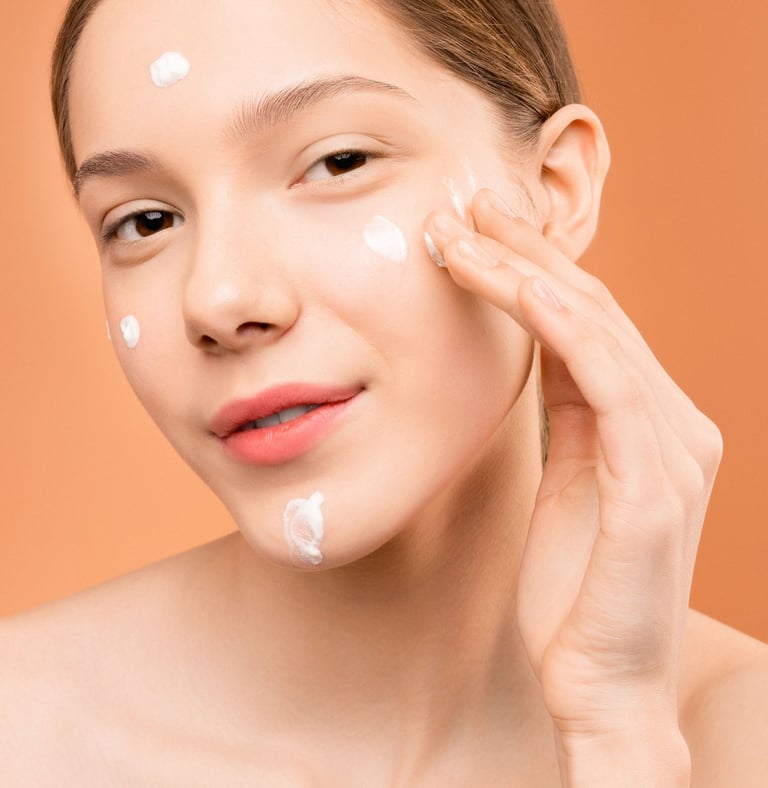
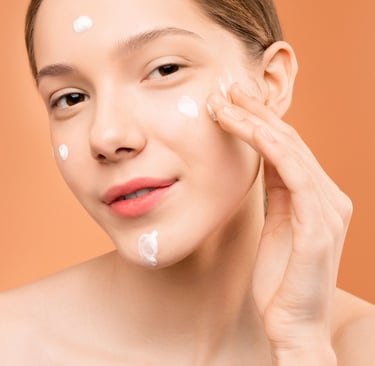
You may have dry skin if:
Your face feels tight after cleansing.
You notice flaky or rough patches.
Your skin looks dull rather than shiny.
Fine lines appear more noticeable when your skin is dehydrated.
Moisturizer quickly makes your skin feel more comfortable.
Best Ingredients for Dry Skin
Choose products with:
Hyaluronic Acid
Ceramides
Glycerin
Squalane
These ingredients help attract and lock in moisture.
Signs You Have Combination Skin
Combination skin is one of the most common skin types. As the name suggests, it combines features of both oily and dry skin.
Typically, the forehead, nose, and chin (known as the T-zone) become oily throughout the day, while the cheeks remain normal or feel slightly dry.
You may have combination skin if:
Your forehead and nose become shiny a few hours after cleansing.
Your cheeks feel comfortable or slightly dry.
Some areas of your face need more hydration than others.
You occasionally experience clogged pores around the nose but not on your cheeks.
Best Ingredients for Combination Skin
Look for lightweight products that provide hydration without feeling heavy.
Good ingredients include:
Niacinamide
Hyaluronic Acid
Green Tea
Centella Asiatica
The goal is to balance oil production while keeping your skin hydrated.
Signs You Have Normal Skin


Normal skin is often described as balanced.
It isn't too oily or too dry and usually feels comfortable throughout the day. While everyone experiences occasional skin concerns, normal skin generally has fewer issues with excessive oiliness or dryness.
You may have normal skin if:
Your skin feels comfortable after cleansing.
Your face doesn't become overly shiny.
You rarely experience flaky patches.
Your pores are less noticeable.
Most skincare products work well without causing irritation.
Best Ingredients for Normal Skin
Normal skin benefits from maintaining its healthy balance.
Look for products containing:
Hyaluronic Acid
Ceramides
Vitamin C
Niacinamide
Focus on keeping your skin hydrated and protected rather than trying to "fix" problems that aren't there.
Signs You Have Sensitive Skin


Sensitive skin is different from the other skin types because it describes how your skin reacts rather than how much oil it produces.
Sensitive skin can be oily, dry, combination, or normal.
You may have sensitive skin if:
Your skin becomes red easily.
Some skincare products sting or burn.
Fragrances often irritate your skin.
Weather changes affect your skin quickly.
Your skin reacts after trying new products.
Best Ingredients for Sensitive Skin
Choose gentle products with soothing ingredients such as:
Centella Asiatica
Panthenol
Allantoin
Heartleaf
Avoid products with strong fragrances or unnecessary alcohol if you know they trigger irritation.
Common Mistakes When Identifying Your Skin Type
Many people misidentify their skin type, which can lead to buying products that don't suit their needs.
Here are some common mistakes to avoid:
Washing Your Face Too Often
Over-cleansing can remove your skin's natural oils, making it difficult to understand your true skin type.
Judging Your Skin Immediately After Cleansing
Your skin often feels different right after washing. That's why the 30-minute bare face test is more reliable.
Confusing Dehydrated Skin with Dry Skin
Dry skin is a skin type.
Dehydrated skin is a temporary condition caused by a lack of water. Even oily skin can become dehydrated.
Following Social Media Trends
A product that works well for someone else may not be the right choice for your skin.
Always choose products based on your own skin type rather than online trends.
How Often Should You Check Your Skin Type?
Your skin type can change over time due to:
Weather and seasons
Age
Hormonal changes
Pregnancy
Medications
Lifestyle habits
It's a good idea to reassess your skin every few months, especially if you notice significant changes in how it behaves.
Quick Skin Type Checklist
Oily Skin
✔ Shiny face
✔ Large pores
✔ Excess oil
Dry Skin
✔ Tight feeling
✔ Flaky patches
✔ Rough texture
Combination Skin
✔ Oily T-zone
✔ Dry or normal cheeks
Normal Skin
✔ Balanced
✔ Comfortable
✔ Few concerns
Sensitive Skin
✔ Redness
✔ Irritation
✔ Reacts easily to products


Can my skin type change over time?
Yes. Your skin type can change due to factors like age, hormones, weather, pregnancy, stress, and certain medications.
For example, your skin may feel oilier during the summer and drier during the winter. That's why it's a good idea to reassess your skin every few months and adjust your skincare routine when needed.
What's the difference between dry skin and dehydrated skin?
Many people confuse these two, but they're not the same.
Dry skin is a skin type that naturally produces less oil.
Dehydrated skin is a temporary condition caused by a lack of water. Even oily skin can become dehydrated if you don't drink enough water or use products that are too harsh.
If your skin feels tight but also looks oily, it may be dehydrated rather than dry.
Can I have acne if I have dry skin?
Yes.
Although acne is often associated with oily skin, people with dry, combination, or even normal skin can also experience breakouts.
Acne can be influenced by hormones, genetics, clogged pores, and certain skincare products—not just excess oil.
What if I have more than one skin concern?
That's completely normal.
Your skin type stays relatively consistent, while skin concerns can change.
For example, you may have:
Oily skin with acne
Dry skin with dark spots
Combination skin with sensitivity
Normal skin with occasional breakouts
Choose products based on both your skin type and your current concerns.
How do I know if a product is right for my skin?
Introduce one new product at a time and use it consistently for a few weeks.
Pay attention to how your skin responds. If it feels comfortable and healthy, the product may be a good fit. If you notice persistent irritation, discontinue use and consider trying a gentler alternative.
Beginner's Tips for Choosing the Right Skincare


Starting a skincare routine doesn't have to be overwhelming.
Keep these tips in mind:
Start Simple
You don't need a 10-step routine.
Begin with:
Gentle Cleanser
Moisturizer
Sunscreen (Morning)
Serum (Optional)
A simple routine is easier to maintain and helps you understand how your skin reacts to each product.
Introduce New Products Slowly
Avoid trying several new products at once.
Adding one product at a time makes it easier to identify what's working and what isn't.
Patch Test New Products
Before applying a new product to your entire face, test a small amount on an area like your jawline or behind your ear.
This can help you check for irritation before full use.
Be Patient
Skincare takes time.
Most products need several weeks of consistent use before you notice visible improvements.
Build Your Routine Based on Your Skin Type


Oily Skin
Gel Cleanser
Niacinamide Serum
Oil-Free Moisturizer
Sunscreen
Dry Skin
Cream Cleanser
Hyaluronic Acid Serum
Rich Moisturizer
Sunscreen
Combination Skin
Gentle Cleanser
Lightweight Serum
Gel-Cream Moisturizer
Sunscreen
Sensitive Skin
Fragrance-Free Cleanser
Centella Serum
Barrier Cream
Mineral or gentle sunscreen
Normal Skin
Gentle Cleanser
Vitamin C Serum
Lightweight Moisturizer
Sunscreen
Final Thoughts
Understanding your skin type is the first step toward building a skincare routine that truly works for you.
Instead of buying products simply because they're viral, take a few minutes to learn what your skin actually needs. Once you know whether your skin is oily, dry, combination, normal, or sensitive, choosing the right cleanser, serum, moisturizer, and sunscreen becomes much easier.
Remember that skincare is personal. A product that works wonderfully for someone else may not be the best choice for you—and that's perfectly okay.
Start with the basics, stay consistent, and give your skin time to adjust. Healthy, glowing skin isn't about having the most expensive products; it's about using the right products for your skin and following a routine you can stick with.
Quick Skin Type Summary
Skin TypeMain SignsRecommended ProductsOilyShiny, enlarged poresGel cleanser, Niacinamide, Oil-free moisturizerDryTight, flaky skinCream cleanser, Hyaluronic Acid, Rich moisturizerCombinationOily T-zone, dry cheeksGentle cleanser, Lightweight serum, Gel-cream moisturizerNormalBalanced and comfortableGentle cleanser, Vitamin C, Lightweight moisturizerSensitiveRedness, irritationFragrance-free skincare, Centella, Barrier cream
Related Articles
If you found this guide helpful, continue your skincare journey with these beginner-friendly articles on BeautyFindsPK:
The Perfect Morning Skincare Routine for Every Skin Type (2026 Guide)
The Perfect Night Skincare Routine for Every Skin Type (2026 Guide)
These guides will help you choose the right products and build a skincare routine that suits your skin type.
Disclaimer
This article is for educational purposes only and should not replace professional medical advice. Everyone's skin is different, and results can vary based on skin type, lifestyle, and product selection. If you have ongoing skin concerns, severe acne, or persistent irritation, consult a qualified dermatologist for personalized advice.
Thank you for reading BeautyFindsPK!
At BeautyFindsPK, our goal is to make skincare simple, honest, and beginner-friendly. We test trends, explain ingredients in easy language, and create practical guides to help you make confident skincare decisions. Whether you're just starting out or looking to improve your routine, we're here to help you discover products that truly work for your skin.