
The Perfect Night Skincare Routine for Every Skin Type (2026 Guide)
Learn the perfect night skincare routine for oily, dry, combination, and sensitive skin. Discover the correct order to apply skincare products for healthier, glowing skin while you sleep.
7/12/20268 min read


The Perfect Night Skincare Routine for Every Skin Type (2026 Guide)
Have you ever wondered why nighttime is often called the most important time for skincare? While you're sleeping, your skin is hard at work repairing itself from the stress of the day. That's why a good night skincare routine can make a noticeable difference in how your skin looks and feels over time.
Throughout the day, your skin is exposed to makeup, sunscreen, sweat, pollution, dust, and excess oil. If these impurities aren't properly removed before bed, they can contribute to clogged pores, dullness, and irritation.
The good news is that you don't need an expensive 10-step routine to wake up with healthier-looking skin. A few carefully chosen products, used consistently, are often all you need.
Whether you have oily, dry, combination, or sensitive skin, this step-by-step guide will help you build the perfect nighttime skincare routine.
Why Is a Night Skincare Routine Important?
Your skin goes through a natural renewal process while you sleep. During the night, it focuses on recovering from daily environmental stressors and maintaining a healthy skin barrier.
A consistent nighttime routine helps:
✔ Remove makeup, sunscreen, and dirt
✔ Wash away excess oil
✔ Hydrate the skin overnight
✔ Support the skin barrier
✔ Prepare your skin for overnight repair
✔ Leave your skin feeling refreshed by morning
Even a simple routine can help your skin feel cleaner, softer, and more comfortable over time.


Remove Makeup or Sunscreen
Cleanser
Toner
Serum or Treatment
Eye Cream (Optional)
Moisturizer
Sleeping Mask (Optional)
Remember: Apply products from the lightest texture to the richest.
Step 1: Remove Makeup and Sunscreen


If you've worn makeup or sunscreen during the day, don't skip this step.
A cleansing oil or cleansing balm helps dissolve makeup, excess sebum, and sunscreen more effectively than a regular cleanser alone. This is the first step in what's commonly known as double cleansing, a popular technique in Korean skincare.
Massage the cleansing oil onto dry skin for about one minute, then add a little water to emulsify the product before rinsing thoroughly.
Best for:
✔ Makeup wearers
✔ Daily sunscreen users
✔ Oily skin
✔ Combination skin
If you didn't wear makeup or sunscreen, you can usually move directly to a gentle water-based cleanser.
Step 2: Cleanse Your Skin
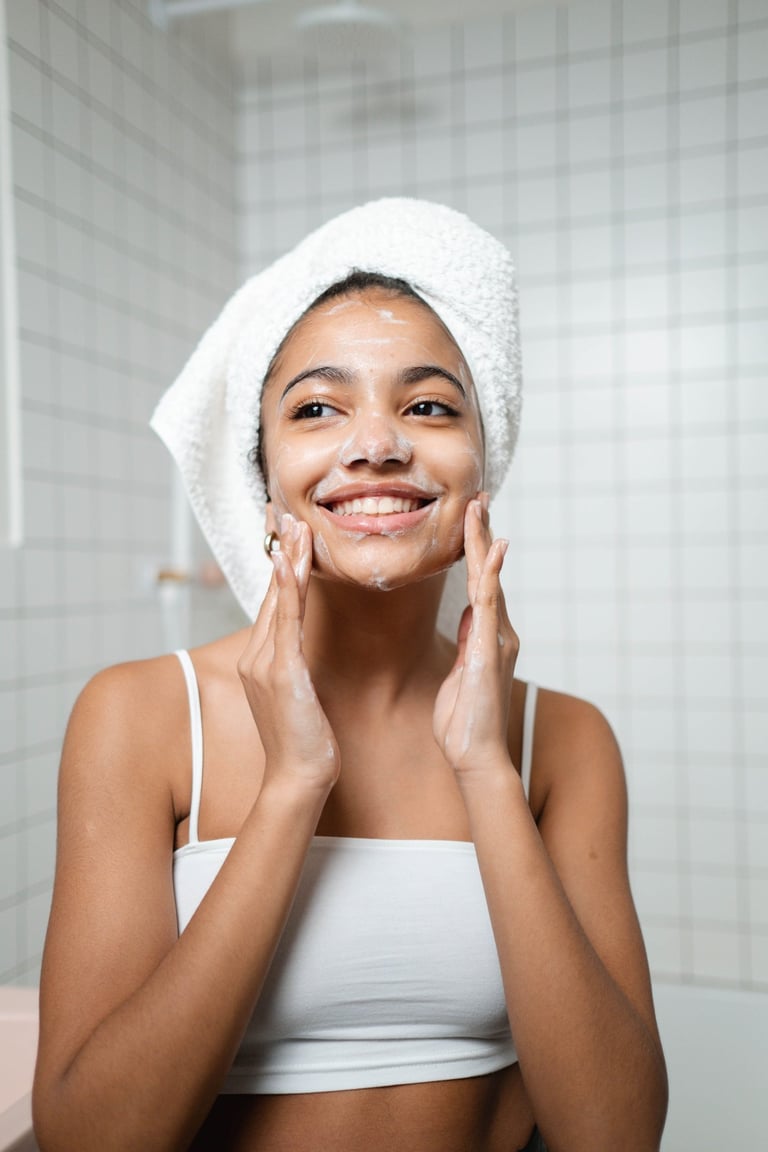
After removing makeup or sunscreen, it's time to cleanse your skin.
A gentle water-based cleanser removes any remaining impurities while helping your skin feel fresh without over-drying it.
The goal isn't to leave your face feeling "squeaky clean." Instead, your skin should feel clean, soft, and comfortable.
Choose a cleanser based on your skin type:
Oily Skin
Use a lightweight gel or foaming cleanser that removes excess oil while maintaining balance.
Dry Skin
Choose a hydrating cream cleanser that won't strip your skin of moisture.
Combination Skin
A gentle foaming cleanser usually provides a good balance.
Sensitive Skin
Look for fragrance-free formulas with soothing ingredients such as Centella Asiatica or Heartleaf.
Pro Tip
Wash your face with lukewarm water instead of hot water to help protect your skin's natural barrier.
Step 3: Apply Toner
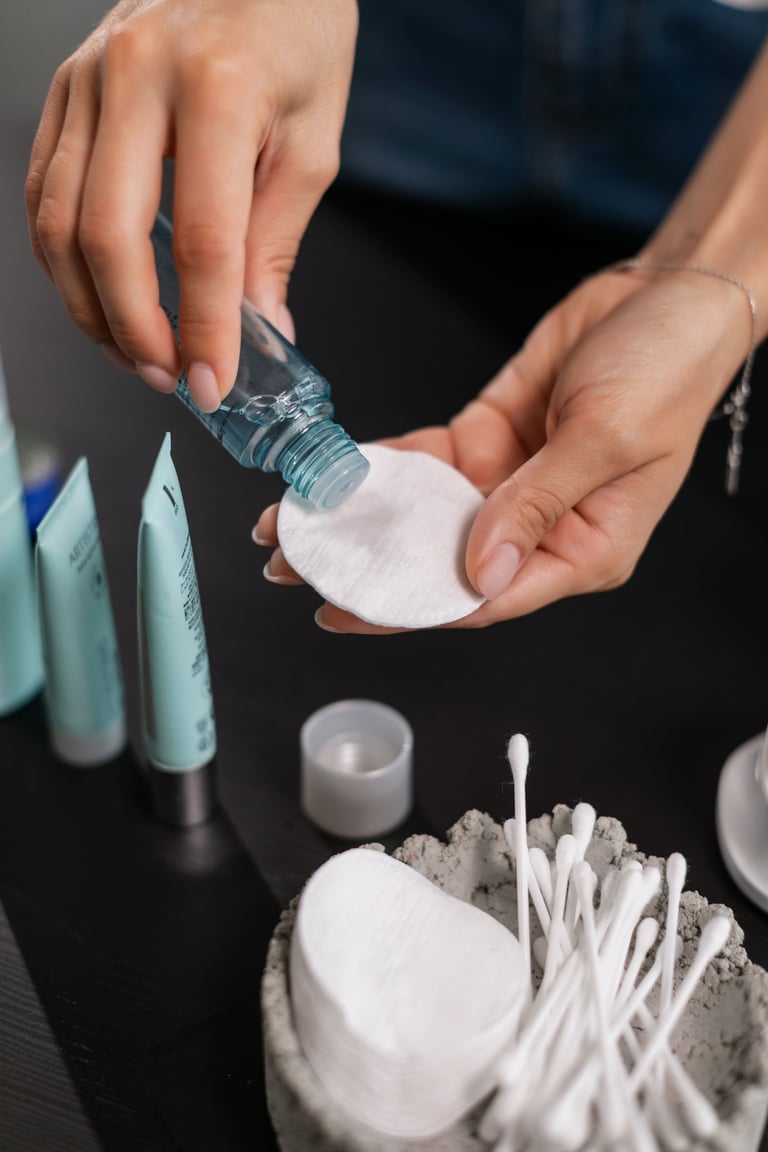
After cleansing, your skin is ready to absorb the next products in your routine.
A toner can help add hydration, soothe the skin, and prepare it for serums and moisturizers.
Modern Korean toners are designed to support the skin rather than dry it out, making them a great addition for many skin types.
Choose the right toner:
For Dry Skin
Hydrating toners with Hyaluronic Acid or Panthenol.
For Oily Skin
Balancing toners with Niacinamide or Green Tea.
For Sensitive Skin
Soothing toners containing Centella Asiatica or Heartleaf.
Apply a small amount using clean hands or a cotton pad, then gently pat it into the skin.
Nighttime Skincare Tips
Before adding treatments and moisturizers, keep these tips in mind:
Apply products gently without rubbing aggressively.
Give each layer around 30–60 seconds to absorb.
Introduce new active ingredients slowly.
Stay consistent—healthy skin takes time.
Step 4: Apply a Serum or Treatment


Now that your skin is clean and hydrated, it's time to apply a serum or treatment. This is where you can target your specific skin concerns, whether that's dryness, acne, dark spots, fine lines, or dullness.
Nighttime is an ideal time to use treatment products because your skin isn't exposed to sunlight, pollution, or makeup. Many active ingredients also work best as part of an evening routine.
Remember, you don't need multiple serums every night. One well-chosen serum is usually enough.
Best Serums by Skin Concern
For Dry Skin
Look for:
Hyaluronic Acid
Ceramides
Panthenol
These ingredients help replenish moisture and support your skin barrier overnight.
For Oily Skin
Choose lightweight formulas containing:
Niacinamide
Zinc
Green Tea
These ingredients help balance excess oil while keeping your skin hydrated.
For Dark Spots
Brightening ingredients include:
Vitamin C (if tolerated)
Tranexamic Acid
Alpha-Arbutin
Niacinamide
These can help improve the appearance of uneven skin tone with regular use.
For Sensitive Skin
Choose calming ingredients like:
Centella Asiatica
Heartleaf
Madecassoside
Simple formulas are often the best choice for easily irritated skin.
Pro Tip
Introduce active ingredients gradually and avoid layering too many treatments in one routine.
Step 5: Eye Cream (Optional)


An eye cream isn't essential, but many people enjoy using one to hydrate the delicate skin around their eyes.
If your regular moisturizer feels comfortable around your eyes, you may not need a separate eye cream.
If you choose to use one, gently tap a small amount around the orbital bone using your ring finger. Avoid rubbing or pulling the skin.
Look for ingredients such as:
Caffeine
Peptides
Ceramides
Hyaluronic Acid
Step 6: Moisturize


Moisturizer is one of the most important steps in your nighttime routine.
While you sleep, your skin naturally loses moisture. A good moisturizer helps lock in hydration and supports your skin barrier throughout the night.
Choose a moisturizer based on your skin type.
Oily Skin
Look for:
Gel moisturizers
Lightweight lotions
Oil-free formulas
These provide hydration without feeling greasy.
Dry Skin
Choose richer creams containing:
Ceramides
Squalane
Shea Butter
Glycerin
These ingredients help reduce overnight moisture loss.
Combination Skin
A gel-cream moisturizer usually offers the right balance of hydration without feeling too heavy.
Sensitive Skin
Choose fragrance-free formulas with soothing ingredients like:
Panthenol
Centella Asiatica
Allantoin
These help comfort the skin while supporting its natural barrier.
Step 7: Sheet Mask (Optional)


A sleeping mask is an optional final step that can provide an extra boost of hydration.
Unlike a wash-off face mask, a sleeping mask is designed to stay on your skin overnight and be rinsed off the next morning.
It's especially helpful if your skin feels dry, dehydrated, or stressed.
Most people don't need to use a sleeping mask every night. Using one one to three times a week is often enough.
The Perfect Night Skincare Routine by Skin Type
Oily Skin
Cleansing Oil (if wearing sunscreen or makeup)
Gel Cleanser
Balancing Toner
Niacinamide Serum
Lightweight Moisturizer
Dry Skin
Cleansing Balm
Cream Cleanser
Hydrating Toner
Hyaluronic Acid Serum
Rich Moisturizer
Sleeping Mask (2–3 times weekly)
Combination Skin
Cleansing Oil
Gentle Cleanser
Hydrating Toner
Lightweight Serum
Gel-Cream Moisturizer
Sensitive Skin
Gentle Cleansing Balm
Fragrance-Free Cleanser
Soothing Toner
Centella Serum
Barrier-Supporting Moisturizer
Keep your routine simple and introduce new products gradually.
Common Night Skincare Mistakes
Even a great routine can be less effective if you make these common mistakes.
Sleeping with Makeup On
Leaving makeup on overnight can contribute to clogged pores and irritation.
Using Too Many Active Ingredients
Combining several strong treatments in one routine may overwhelm your skin.
Skipping Moisturizer
Even oily skin benefits from hydration.
Applying Products Too Quickly
Allow each layer around 30–60 seconds to absorb before applying the next.
Constantly Switching Products
Give products enough time to work before deciding whether they're right for your skin.
A Simple 5-Minute Night Routine
Don't have much time?
Here's an easy routine:
🌙 Remove sunscreen or makeup
🫧 Gentle Cleanser
✨ Serum
🧴 Moisturizer
Following a simple routine consistently is often more beneficial than doing a complicated routine occasionally.
Frequently Asked Questions
Should I wash my face every night?
Yes. Cleansing your face before bed helps remove sunscreen, makeup, excess oil, sweat, and dirt that build up throughout the day. Going to sleep with unwashed skin can contribute to clogged pores and irritation.
Do I really need to double cleanse?
Not always.
Double cleansing is especially helpful if you've worn makeup, water-resistant sunscreen, or spent a lot of time outdoors. Start with a cleansing oil or balm, then follow with a gentle water-based cleanser.
If you haven't worn makeup or sunscreen, a single gentle cleanser is often enough.
Can I use retinol every night?
If you're new to retinol, it's usually best to start slowly—such as two or three nights a week—and gradually increase usage if your skin tolerates it well.
Avoid using multiple strong active ingredients together unless you know they're compatible or you've been advised by a skincare professional.
Should I moisturize before bed?
Absolutely.
A moisturizer helps lock in hydration and supports your skin barrier while you sleep. Even oily skin benefits from a lightweight moisturizer.
Is a sleeping mask necessary?
Not necessarily.
A sleeping mask is an optional step that's especially useful if your skin feels dry or dehydrated. Using one one to three nights per week is enough for most people.
How long should I wait between skincare products?
You don't need to wait several minutes.
Allow each product around 30–60 seconds to absorb before applying the next one. This can help reduce pilling and allow each layer to settle comfortably.
Night Skincare Do's and Don'ts
✅ Do
Remove makeup and sunscreen before bed.
Use products that suit your skin type.
Moisturize every night.
Apply skincare gently.
Stay consistent with your routine.
❌ Don't
Sleep with makeup on.
Over-exfoliate your skin.
Mix too many active ingredients at once.
Skip moisturizer because your skin is oily.
Expect instant results after only a few days.
Healthy skin is built through consistent habits—not overnight miracles.
Your Simple Night Skincare Checklist
Remove Makeup or Sunscreen (if worn)
Gentle Cleanser
Toner (Optional)
Serum or Treatment
Eye Cream (Optional)
Moisturizer
Sleeping Mask (1–3 times per week, optional)
Save this checklist and follow it each evening to help build a routine you'll actually stick with.
Final Thoughts
Your nighttime skincare routine doesn't have to be long or complicated to be effective.
The most important thing is creating a routine that fits your skin type and your lifestyle. Whether you use four products or seven, consistency is what makes the biggest difference over time.
As you sleep, your skin naturally works to recover from the day's environmental stressors. By cleansing thoroughly, applying targeted treatments, and sealing everything in with a moisturizer, you're giving your skin the support it needs to wake up feeling refreshed.
Remember, beautiful skin isn't about chasing every viral product you see on social media. It's about understanding your skin, choosing products that work for your needs, and being patient with the process.
Small daily habits can lead to noticeable improvements over time.
Recommended Night Skincare Routine
StepProductStep 1Cleansing Oil or Balm (if wearing makeup or sunscreen)Step 2Gentle Water-Based CleanserStep 3Hydrating Toner (Optional)Step 4Targeted Serum or TreatmentStep 5Eye Cream (Optional)Step 6MoisturizerStep 7Sleeping Mask (Optional, 1–3 times weekly)
Related Articles
Continue building your skincare routine with these guides:
The Perfect Morning Skincare Routine for Every Skin Type (2026 Guide)
Best Korean Cleansers for Every Skin Type (2026 Guide)
Best Korean Serums for Every Skin Type (2026 Guide)
Best Korean Moisturizers for Every Skin Type
Best Korean Sunscreens for Daily Wear
Korean Skincare Routine for Beginners
Final Tip
The best skincare routine is the one you can follow consistently.
Start with the basics, pay attention to how your skin responds, and make small adjustments when needed. You don't need a shelf full of products to achieve healthy, glowing skin—just a thoughtful routine, patience, and consistency.
If you enjoyed this guide, explore our other skincare articles on BeautyFinds to discover product recommendations, beginner-friendly routines, and expert tips to help you feel more confident in your skincare journey.
Disclaimer: This article is for informational purposes only and should not be considered medical advice. Every person's skin is unique, and results vary depending on skin type, product selection, and consistency. If you have ongoing skin concerns or experience irritation, consult a qualified dermatologist for personalized advice.