
Retinol Before and After: What Really Happens in 12 Weeks
Curious what retinol actually does to your skin? Follow a real week-by-week retinol before and after timeline over 12 weeks — no filters, no hype, just honest results. Focus Keyword: retinol before and after Secondary Keywords: retinol results, retinol for anti aging, retinol timeline, does retinol work
7/22/20264 min read
Retinol Before and After: What Really Happens in 12 Weeks (With Real Results)
If you've spent any time on skincare TikTok or Pinterest, you've seen the promise: use retinol and your skin will transform. But what does that actually look like week by week — not in a filtered "after" photo, but in real life, on real skin?
I decided to find out. I used retinol consistently for 12 weeks and tracked everything: the purging, the dry patches, the "wait, is this actually working?" doubt around week 3, and the moment it finally clicked. This is the honest, unglamorous, and ultimately worth-it timeline of a retinol before and after — plus what the research says is actually happening under your skin the whole time.
What Retinol Actually Does to Your Skin
Before jumping into the timeline, it helps to understand why retinol takes 12 weeks to show results in the first place. Retinol is a form of vitamin A that speeds up cell turnover and stimulates collagen production. But collagen doesn't rebuild overnight — dermatologists generally agree it takes a full skin cycle (or two) to see visible change, which is roughly 4–6 weeks minimum, and closer to 12 weeks for noticeable improvement in fine lines and texture.
That's the part most "instant glow-up" content leaves out. Retinol is a long game, and the first few weeks can honestly look and feel worse before they look better.
Week 1–2: The Adjustment Phase
This is the part nobody warns you about enough. In the first two weeks, my skin went through what's commonly called "retinization" — mild redness, flaking, and a tight feeling, especially around the nose and mouth. This isn't your skin rejecting the product; it's your skin adjusting to a faster turnover rate.
What I did differently: applied a pea-sized amount every third night instead of daily, and followed with a heavy moisturizer to buffer the irritation.
Week 3–4: The Purge (If It's Going to Happen)
Around week 3, I noticed a few small breakouts along my jawline. This is often called "purging" — and it's different from a breakout caused by a product that doesn't agree with your skin. Purging tends to happen in areas you normally break out, and it resolves faster than a typical reaction because it's speeding up the surfacing of congestion that was already there.
If new breakouts show up in new areas or don't improve after 4–6 weeks, that's a sign to check in with a dermatologist rather than push through.
Week 5–8: The Quiet Middle
This stretch is the least exciting to document and, honestly, the most important. The irritation had mostly settled by week 5, and my skin started tolerating retinol every other night. Texture was smoother to the touch, though nothing dramatic showed up in photos yet.
This is usually where people quit right before the results actually start. If you're in week 6 wondering if it's working, this is normal. Keep going.


Week 9–12: Where the Real Results Show Up
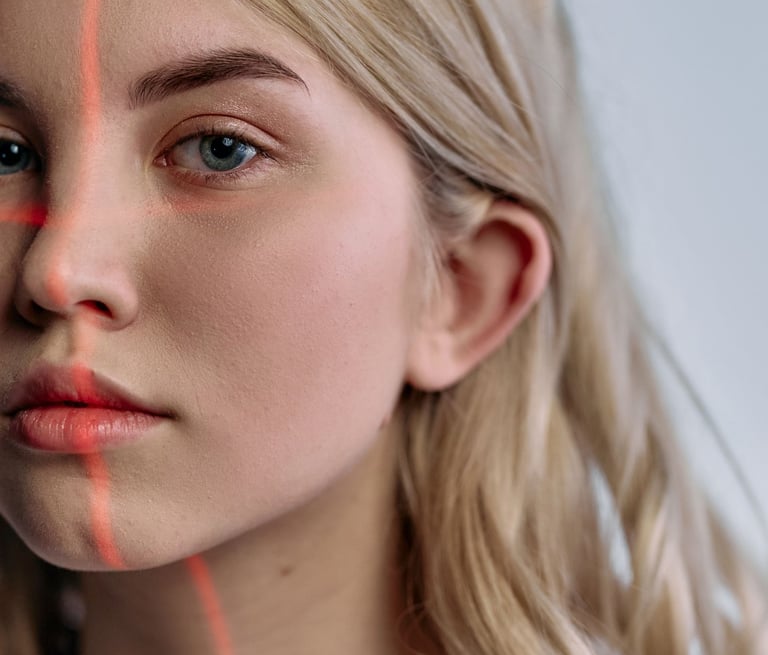
By week 9, the difference became visible — not dramatic, movie-style transformation, but a genuine improvement in texture, tone evenness, and the depth of a few fine lines around my eyes. By week 12, my skin looked more even in photos without any filter, and makeup applied noticeably smoother.
Here's the honest before-and-after breakdown:
AreaWeek 1Week 12TextureSlightly rough, visible poresSmoother, more refinedFine lines (eyes/forehead)Visible in makeup-free photosSofter, less definedToneUneven, some rednessMore even overallBreakoutsOccasional purging (week 3–4)Clear, stable
So Is Retinol Actually Worth It?
Based on 12 weeks of consistent use, yes — but with caveats. Retinol isn't an overnight fix, and the first month can genuinely test your patience. The people who see the best results are the ones who:
Start slow (2–3x per week, not daily)
Always follow with SPF the next morning, since retinol increases sun sensitivity
Pair it with a hydrating moisturizer to offset dryness
Give it the full 12 weeks before judging results
Frequently Asked Questions
How long until retinol starts working? Most people notice initial texture changes around week 4–6, with more visible results in fine lines and tone by week 10–12.
Is purging from retinol normal? Yes, mild purging in areas you already break out is common in the first 2–4 weeks. Breakouts in new areas or lasting longer than 6 weeks may mean it's time to scale back frequency or consult a dermatologist.
Can I use retinol every night from the start? It's not recommended for beginners. Starting 2–3 nights a week and slowly increasing helps your skin adjust without excess irritation.
This post reflects one person's experience with retinol over 12 weeks and is intended for informational purposes. Results vary by skin type, product strength, and consistency of use. Always patch test new actives and consult a dermatologist for personalized advice, especially if you have sensitive skin or a diagnosed skin condition.