K18 Leave In Molecular Repair Hair Mask Review (2026): Honest Results, Pros & Cons
Thinking about buying the K18 Hair Mask? Here's my honest 2026 review covering how it works, its key ingredients, pros, cons, who it's best for, and whether it's worth the price.
6/28/20266 min read


K18 Hair Mask Review (2026): Is It Really Worth the Hype?
If you've been looking for a hair treatment for damaged hair, there's a good chance you've come across the K18 Hair Mask. It seems to be everywhere—on TikTok, Instagram, salon shelves, and beauty blogs.
Naturally, I was curious.
People describe it as a game-changing hair treatment, but it's also much more expensive than many traditional hair masks. That made me wonder: is it genuinely worth the money, or is it just another product that's become popular because of social media?
To answer that question, I spent time learning about how the product is designed to work, reading customer experiences, and comparing its features with other popular hair treatments.
In this review, I'll explain what makes K18 different, where it performs well, where it may not be the best choice, and who is most likely to benefit from it.
Best For
Bleached hair
Color-treated hair
Heat-damaged hair
Dry and fragile hair
If your hair has been damaged by bleaching, coloring, or frequent heat styling, K18 is one of the most interesting repair treatments available. While it isn't inexpensive, many people feel it's worth considering if they're looking for a lightweight leave-in product designed for damaged hair.
What Is the K18 Hair Mask?
Despite its name, K18 isn't a traditional rinse-out hair mask.
It's a leave-in treatment designed for hair that's been weakened by bleaching, coloring, chemical treatments, or regular heat styling.
Instead of simply coating the outside of your hair, K18 is designed to work differently by using its patented peptide technology. The goal is to help improve the feel and appearance of damaged hair while keeping the routine simple.
Another reason it has become so popular is that it doesn't add extra steps to your routine. After washing your hair, you apply a small amount to towel-dried hair, leave it in, and style as usual.
For people who don't enjoy long haircare routines, that's definitely a plus.
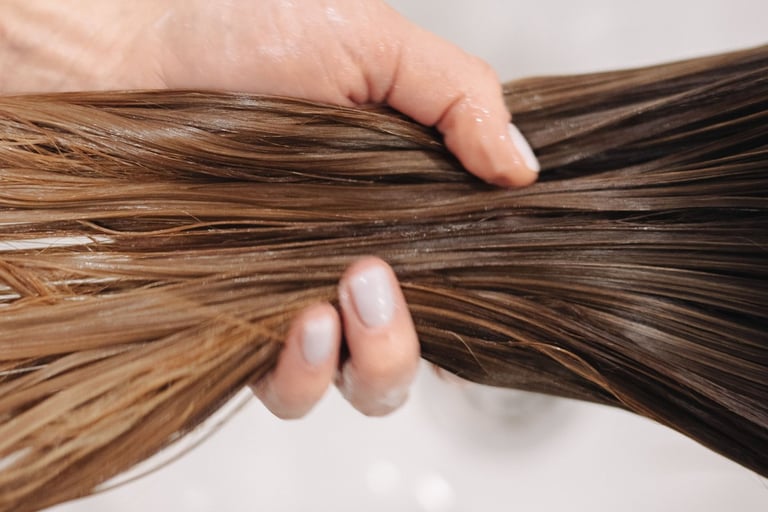
Instead, the formula focuses on a patented peptide technology that's intended to support hair affected by chemical processing or heat damage.
The formula is also lightweight, so it doesn't leave the heavy feeling that some richer hair masks can.
Many users say they like that their hair feels soft and manageable without becoming greasy or weighed down.
My First Impression
The first thing that stood out to me wasn't the packaging or the marketing—it was how many hairstylists recommended it for damaged hair.
Another thing I liked is that you only need a small amount, which means a bottle can last longer than you might expect depending on your hair length.
The biggest drawback is the price. There's no getting around the fact that K18 is a premium product, so it's worth thinking about whether your hair actually needs this type of treatment before making the investment.
What I Like
Lightweight leave-in formula
Quick and easy to use
Doesn't leave hair feeling greasy
Popular among people with color-treated and bleached hair
Suitable for many hair types
A little product goes a long way
What Could Be Better
More expensive than many traditional hair masks
The bottle is relatively small
Not everyone needs a premium repair treatment
Results can vary depending on your hair type and condition
Key Benefits
Here are some reasons why K18 continues to receive so much attention:
Lightweight texture that's easy to apply.
Designed for damaged, color-treated, and chemically processed hair.
Leaves hair feeling softer and easier to manage for many users.
Doesn't require rinsing, making it convenient for busy routines.
Fits easily into most haircare routines.
What Makes K18 Different?
One thing I noticed while researching K18 is that it doesn't try to compete by adding dozens of trendy ingredients.


Who Should Consider Buying the K18 Hair Mask?
After looking into the ingredients, how the product is meant to work, and what many users say about it, I think K18 makes the most sense for people whose hair has gone through a lot.
It may be worth considering if you:
Bleach or color your hair regularly.
Use a straightener, curling iron, or blow dryer several times a week.
Feel like your hair has become dry, rough, or harder to manage.
Want a lightweight leave-in treatment instead of a thick rinse-out mask.
Don't mind paying more for a premium haircare product if it suits your needs.
If that sounds like you, K18 could be a product worth looking into.
Who Might Want to Skip It?
Even though K18 has a strong reputation, I don't think it's the right choice for everyone.
You might want to explore other options if:
Your hair is already healthy and doesn't have much damage.
You're shopping on a tighter budget.
You enjoy using rich, deep-conditioning hair masks.
You're hoping for instant, overnight results.
Haircare is personal, and what works well for one person may not work the same way for someone else. Your hair type, routine, and level of damage all play a role.


Step 1: Wash your hair with shampoo.
Step 2: Gently towel-dry your hair until it's damp.
Step 3: Apply a small amount of K18, adjusting the amount based on your hair length and thickness.
Step 4: Work the product through the mid-lengths and ends of your hair.
Step 5: Let it absorb before styling your hair.
Using the product as directed gives you the best chance of seeing the results it's designed to provide.
Is It Worth the Price?
This is probably the biggest question people have.
There's no doubt that K18 costs more than many traditional hair masks. If you're comparing it with drugstore products, the price difference is noticeable.
However, price alone doesn't always tell the whole story.
Because only a small amount is needed for each use, one bottle may last longer than you expect, depending on your hair length and how often you wash your hair.
If your hair has been damaged by bleaching, coloring, or frequent heat styling, investing in a targeted treatment may make more sense than buying several cheaper products that don't meet your needs.
On the other hand, if your hair is already in good condition, you may not need a premium product like this.
Frequently Asked Questions
Is K18 suitable for all hair types?
K18 is designed for many hair types, especially hair that has been damaged by chemical treatments, bleaching, coloring, or heat styling. As with any haircare product, individual results can vary.
Does K18 replace conditioner?
The brand provides specific instructions on how to use the product, including when to skip conditioner during certain applications. It's a good idea to follow those directions for the best experience.
How often should I use it?
Usage depends on your hair's condition and the guidance provided with the product. Always follow the manufacturer's recommendations.
Is it safe for color-treated hair?
Yes. K18 is commonly chosen by people with color-treated and bleached hair because it's designed with damaged hair in mind.
Will I see results immediately?
Some people notice that their hair feels softer after the first few uses, while others see more gradual improvements. Haircare results can vary depending on the condition of your hair and how consistently you use the product.
My Final Thoughts
After spending time researching K18, I can understand why it has become such a popular product.
It offers something a little different from a traditional hair mask, and its simple leave-in routine appeals to people who want effective haircare without adding extra steps.
That doesn't mean it's a must-have for everyone.
If your hair is healthy and you rarely use heat or chemical treatments, you may be perfectly happy with a more affordable option.
But if your hair has been through frequent coloring, bleaching, or styling, K18 is certainly one of the premium treatments worth considering.
How to Use the K18 Hair Mask
One thing that makes K18 different is the way it's used.
Instead of replacing it with your regular hair mask, follow the instructions that come with the product.
A simple routine looks like this:
I'd Recommend It If:
Your hair is dry or damaged.
You color or bleach your hair regularly.
You use heat styling tools often.
You're looking for a lightweight leave-in treatment.
You May Want to Skip It If:
You're on a strict budget.
Your hair is already healthy.
You prefer rich, rinse-out hair masks..
Finding the right hair treatment isn't about buying the most expensive product it's about choosing one that matches your hair's needs.
The K18 Leave-In Molecular Repair Hair Mask has earned its popularity because it offers a different approach to caring for damaged hair. While it isn't the most affordable option, it may be worth considering if your hair has been affected by bleaching, coloring, or frequent heat styling.
Before you buy, think about your hair type, your styling routine, and your budget. A consistent haircare routine will always matter more than chasing every product that goes viral.