Hypochlorous Acid Skincare: The Viral Ingredient Everyone's Suddenly Using
Hypochlorous acid sprays are everywhere right now. Here's what this ingredient actually does, who it's best for, and how to add it to your routine.
7/28/20264 min read


Hypochlorous Acid Skincare: The Viral Ingredient Everyone's Suddenly Using
A few years ago, if you'd said "hypochlorous acid" at a skincare counter, you'd probably have gotten a confused look. Now it's sitting in gym bags, gracing every "get ready with me" video, and showing up in nearly every skincare haul. So what actually changed — and is this ingredient worth the hype, or just another viral moment?
Here's what hypochlorous acid actually is, what it can realistically do for your skin, and how to use it without wasting money on the wrong product.


What Is Hypochlorous Acid, Really?
Hypochlorous acid (often shortened to HOCl) isn't actually a new invention — it's a molecule your own white blood cells naturally produce as part of your immune system's defense against bacteria and infection. In skincare, it's recreated in a lab through a simple electrolysis process using saltwater, which is why some brands describe it as "electrolyzed water."
Because it mimics something your body already makes, it tends to be very gentle and well-tolerated, even for sensitive or reactive skin, while still offering real antibacterial and calming benefits.
Why Is It Suddenly Everywhere?
The viral spike makes sense once you look at what it actually does. Hypochlorous acid works as a gentle antimicrobial that can help address acne-causing bacteria, while also having anti-inflammatory properties that calm redness and irritation — a combination that's hard to find in one simple, low-irritation product. It's become a go-to recommendation for acne-prone skin, rosacea, post-workout refreshing, and even calming skin after in-office treatments like facials or laser resurfacing.
In short: it does a lot without doing much damage, which is exactly the kind of ingredient that spreads fast once people start seeing results.
Who Should Actually Use Hypochlorous Acid
This ingredient tends to work especially well for:
Acne-prone skin — helps target acne-causing bacteria without stripping the skin barrier
Rosacea or generally reactive skin — calming and anti-inflammatory without common irritants
Post-workout or post-mask skin — useful for refreshing skin and addressing bacteria buildup from sweat or fabric contact
Post-procedure skin — often recommended after treatments like laser resurfacing or facials, when skin is more sensitive and needs gentle support during healing
If your main concern is dryness, dullness, or fine lines specifically, hypochlorous acid isn't the ingredient built for that — it's a supporting player for calming and bacteria control, not a hydration or anti-aging powerhouse on its own.


How to Actually Use It
Hypochlorous acid is most commonly sold as a spray, and it's genuinely simple to add to a routine:
Cleanse your face as usual, morning and/or night
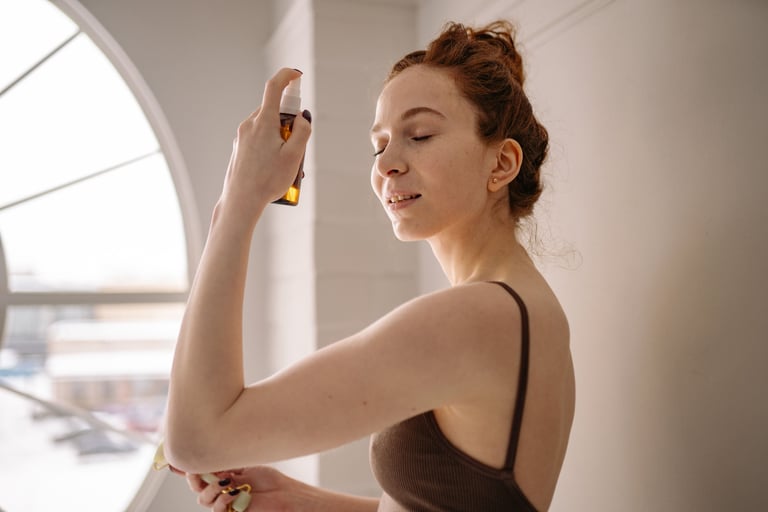
Hold the bottle a few inches from your face and mist evenly across clean, dry skin
Let it air dry — there's no need to rinse it off or follow up with a specific amount of time
Follow with the rest of your normal routine (moisturizer, serums, SPF)
It also works well as a standalone refresh throughout the day — after a workout, after removing a mask, or any time your skin feels like it needs a gentle reset without a full re-cleanse.


Is It Actually Safe? What to Watch For
Hypochlorous acid is generally considered low-risk and well-tolerated at the concentrations used in skincare products, and it's recognized for certain antimicrobial uses. That said, no ingredient is completely without exceptions:
Mild irritation (redness, stinging, or dryness) can occur, especially with higher concentrations or very sensitive skin
As with any new product, patch-test on a small area first
If you have a chronic skin condition, it's worth checking with a dermatologist before adding it to your routine, just to be safe
Common Mistakes to Avoid
Expecting it to replace your entire routine — it's a supportive, calming step, not a replacement for moisturizer, SPF, or targeted acne treatment
Choosing a product based on hype alone — concentration and formulation quality matter, so check the label rather than just buying whatever's trending
Skipping the patch test because it's marketed as "gentle for everyone" — gentle doesn't mean zero risk of reaction for every single person


Frequently Asked Questions
Can I use hypochlorous acid spray every day? Yes, most formulations are designed for daily use, both as part of your regular routine and as an as-needed refresh throughout the day.
Does hypochlorous acid replace toner? It can serve a similar step in your routine — applied after cleansing, before other products — though its main purpose is calming and antibacterial rather than the exfoliating or pH-balancing role some toners play.
Is hypochlorous acid the same as bleach? No. While it's chemically related to chlorine compounds and can even be used as a disinfectant at higher concentrations, skincare formulations use a much lower, skin-safe concentration specifically designed to be gentle rather than corrosive.
Can sensitive skin use hypochlorous acid? Generally yes — it's often specifically recommended for sensitive, reactive skin types, since it's designed to calm rather than irritate. As always, patch-test first.
The Bottom Line
Hypochlorous acid earned its viral moment honestly — it's a genuinely useful, gentle ingredient with real antibacterial and calming properties, not just another trend riding on packaging and marketing alone. It won't replace your full routine, but as a calming, supportive step for acne-prone, reactive, or post-workout skin, it's one of the more low-risk trends worth actually trying.
This post is intended for general informational purposes and reflects current understanding of hypochlorous acid use in skincare. Individual skin can vary, and persistent or severe skin concerns should be evaluated by a licensed dermatologist.