
Glass Skin vs Cloud Skin: What's the Difference in 2026?
Glass skin and cloud skin are both trending right now, but they're not the same look. Here's the real difference, and how to figure out which one suits you.
7/27/20264 min read
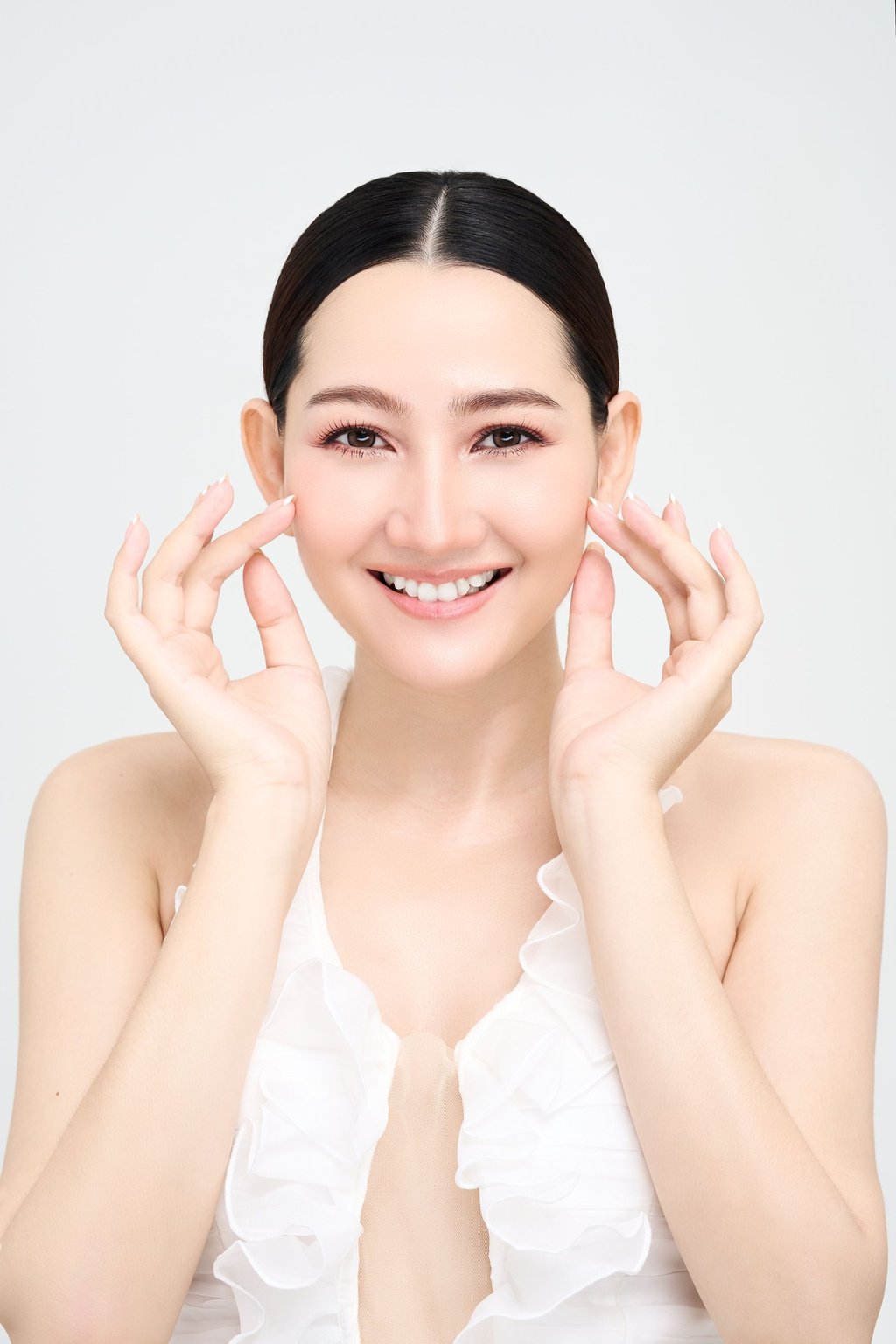
Glass Skin vs Cloud Skin: What's the Difference (And Which One Actually Suits You)
If your For You Page has been full of two very specific words lately — "glass skin" and "cloud skin" — you're not imagining it. Both are dominating skincare and makeup content right now, and both promise flawless, camera-ready skin. But they're not the same look, they're not achieved the same way, and honestly, one of them might suit your skin type far better than the other.
Let's break down exactly what separates these two viral trends, so you're not chasing the wrong one.
What Is Glass Skin?
Glass skin originated in Korean beauty culture and has stayed relentlessly popular because it represents the gold standard of skin health, not makeup application. The look is exactly what it sounds like: skin so smooth, hydrated, and even-toned that it reflects light like a sheet of glass — poreless-looking, luminous, and almost translucent.
Glass skin is achieved almost entirely through skincare, not products applied on top. It relies on:
Deep, consistent hydration (think multiple layers of lightweight hydrating toners and essences)
A strong, healthy skin barrier
Gentle exfoliation to keep texture smooth without over-stripping
Minimal, sheer makeup that lets the skin do the talking
What Is Cloud Skin?
Cloud skin is the newer of the two, and it exists specifically as a reaction to two extremes people got tired of: overly dewy, wet-looking skin, and flat, cakey matte foundation. Cloud skin sits in between — a soft, blurred, ethereal finish that looks like your skin is wrapped in a gentle haze rather than shining or sitting completely flat.
Unlike glass skin, cloud skin leans more on makeup technique layered over a hydrated base:
A soft-focus, blurring primer or powder
Strategic powder placement only where needed, instead of all-over matte application
A finish that holds up well in heat and humidity without looking oily
The goal is "soft and dimensional," not reflective or shiny


Which One Actually Suits You?
This is where most viral trend content stops short — trends aren't one-size-fits-all, and your skin type matters more than which video you saw first.
Glass skin tends to suit:
Normal to slightly dry skin types, since the look relies on visible dewiness and shine
People comfortable with a more reflective, shine-forward finish
Climates that are cooler or less humid, where shine reads as "glowy" rather than "oily"
Cloud skin tends to suit:
Oily or combination skin types, since the blurred finish controls shine without going fully matte
People who live in hot, humid climates where all-out glass-skin dewiness can slide or look greasy by midday
Anyone who wants a soft glow without full reflectiveness


How to Get Each Look
Glass Skin Routine Basics
Cleanse gently, avoid stripping the skin barrier
Layer 2–3 thin layers of a hydrating toner or essence
Follow with a lightweight, dewy-finish moisturizer
Use sheer, skin-like base makeup (if any) rather than full coverage foundation
Finish with a dewy setting spray instead of powder
Cloud Skin Routine Basics
Hydrate skin fully first, since cloud skin still needs a moisturized base underneath
Apply a soft-focus, blurring primer
Use a sheer-to-medium coverage foundation or tinted moisturizer
Set only the areas that need it (usually T-zone) with a finely milled powder
Finish with a soft-focus setting spray rather than a fully dewy one
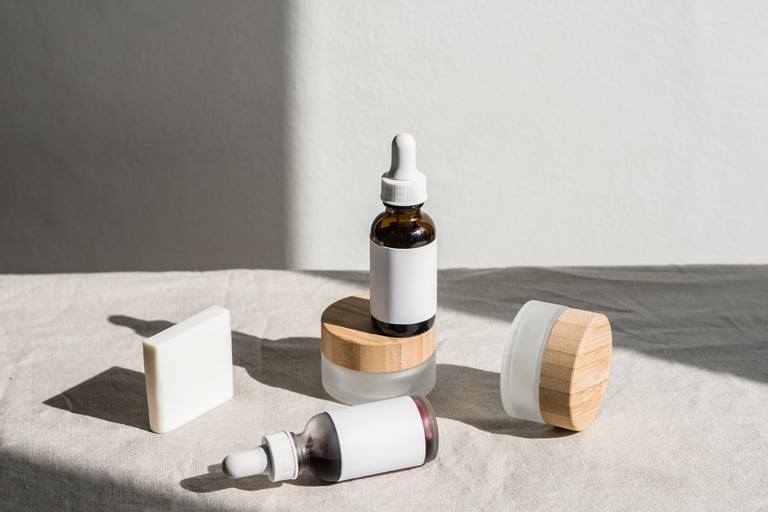
Common Mistakes People Make Chasing These Trends
Trying to get glass skin with oily skin and no barrier support, which often just results in excess shine rather than the smooth, even glow the trend is known for
Over-powdering for cloud skin, which flattens the look back into a matte finish and defeats the purpose of the "soft blur"
Skipping skincare entirely and relying only on makeup for glass skin, when the trend is genuinely skincare-first
Assuming these trends require expensive products, when both are achievable with basic, well-chosen drugstore options


Frequently Asked Questions
Can you combine glass skin and cloud skin? Not really at the same time, since glass skin relies on visible shine and cloud skin is built around softening and blurring that same shine. You can borrow the hydration-first approach from glass skin as the base, then finish with cloud skin's blurring technique on top.
Is glass skin only for people with naturally good skin? No — glass skin is a routine-based look, not a genetic trait. Consistent hydration and barrier care can move most skin types closer to the look over time, though very oily or acne-prone skin may need to manage shine more carefully to avoid looking greasy rather than glowing.
Does cloud skin work for dry skin types? Yes, as long as hydration comes first. Cloud skin's blurred finish can look slightly flat on very dry skin if moisture isn't addressed underneath, so a hydrating base step shouldn't be skipped.
Which trend will last longer? Glass skin has already proven its staying power for years as a continuously evolving trend, while cloud skin is newer. Both are rooted in skin health rather than a passing gimmick, which usually means better longevity than trends built purely around a single product or filter effect.
The Bottom Line
Glass skin and cloud skin aren't competing versions of the same trend — they're two different finishes solving two different problems. If your skin handles shine well and you love a luminous, reflective look, glass skin is worth the skincare investment. If you want glow without the risk of looking oily by 2 p.m., cloud skin's soft-focus approach is the more realistic everyday option. Either way, both trends prove the same thing: 2026's biggest beauty moment isn't about heavy makeup — it's about healthy skin underneath it.
This post reflects general skincare and makeup application guidance based on current beauty trend reporting. Individual skin types and results may vary.