
Beauty of Joseon Relief Sun: Rice + Probiotics SPF50+ PA++++ Review (2026): Is It Really Worth the Hype?
A researched breakdown of the Beauty of Joseon Relief Sun sunscreen — what it does, how it compares, and what real users and reviewers say, clearly separated from brand claims.
6/29/20268 min read
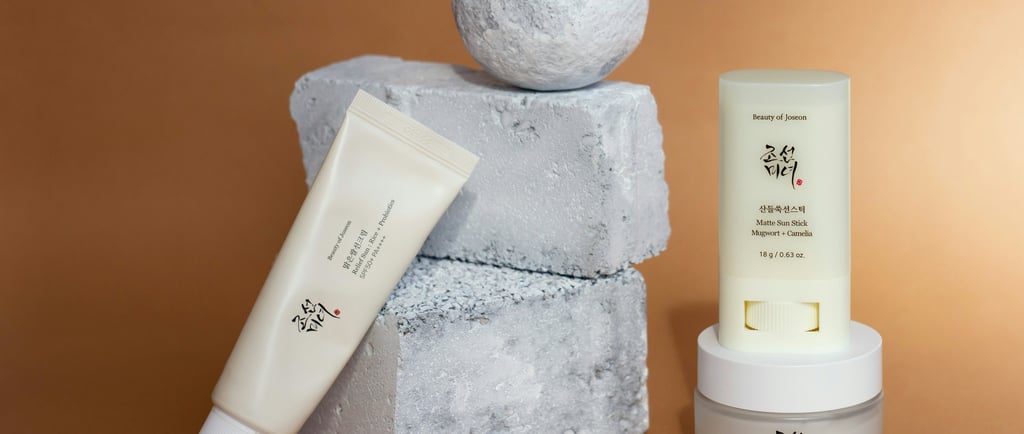
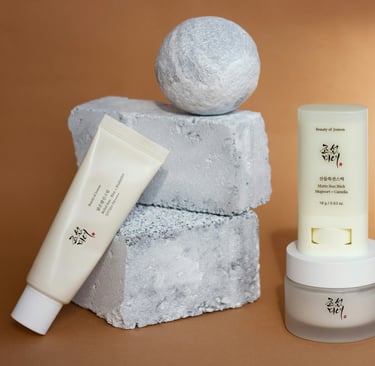
Beauty of Joseon Relief Sun Review (2026)
If you've been exploring Korean skincare, there's a good chance you've come across Beauty of Joseon Relief Sun. It's a popular sunscreen known for its moisturizing formula and fresh, glowy finish.
But here's the thing: a sunscreen that looks beautiful on one person's skin might feel too shiny on someone else's. If you have combination skin, you probably want something that keeps your skin comfortable without making your forehead and nose look greasy.
So, is Beauty of Joseon Relief Sun a good choice for combination skin, or is it better suited to dry skin? In this review, we'll look at its ingredients, texture, finish, benefits, and possible downsides to help you decide whether it's worth trying.
A quick note: This review is based on product information and ingredient research, not personal testing. Your experience may differ depending on your skin type, climate, and skincare routine.
What Is Beauty of Joseon Relief Sun?
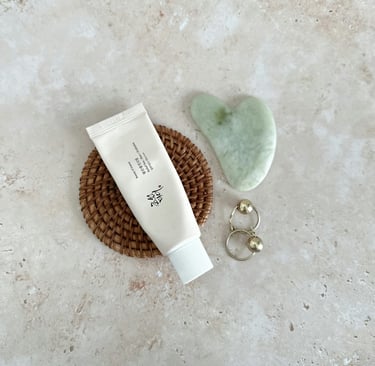
Beauty of Joseon Relief Sun: Rice + Probiotics is a Korean sunscreen labeled SPF 50+ PA++++. It combines sun-protection filters with skincare ingredients in a moisturizing cream formula.
The product has become popular among people who enjoy Korean skincare and prefer sunscreen that feels more like a regular skincare step than a heavy layer on the face.
You can check the current formula and product details on the official Beauty of Joseon website.
Of course, popularity doesn't automatically mean a product will suit your skin. The finish, ingredient list, local weather, and your personal preferences all matter when choosing a sunscreen.

Beauty of Joseon Sunscreen Ingredients: What Do They Do?
Let's look at the main ingredient groups behind this sunscreen's appeal.
1. Rice-derived ingredients
Rice-derived ingredients are part of the product's skincare-focused formula. They're included alongside moisturizing ingredients to help give the sunscreen its comfortable, hydrated feel.
However, don't expect rice ingredients alone to erase dark spots or dramatically brighten your complexion. Those results aren't guaranteed by their presence in a sunscreen.
2. Probiotic-related ingredients
The formula includes ingredients associated with its probiotic and fermented skincare positioning. These contribute to the overall formulation, but they shouldn't be treated as a guaranteed treatment for acne, irritation, or a damaged skin barrier.
If your skin is sensitive, check the complete ingredient list before buying and patch-test the product first.
3. Sun-protection filters
This is the most important part of the formula. Sunscreen helps protect your skin from ultraviolet radiation when applied correctly.
Beauty of Joseon Relief Sun is labeled SPF 50+ PA++++. SPF primarily relates to protection against UVB radiation, while the PA rating indicates UVA protection.
For proper protection, apply enough sunscreen to cover exposed skin and reapply according to the product directions, especially after swimming, sweating, or towel-drying.
For more information, see the FDA's guide to sunscreen.
Texture and Finish: Is It Greasy or Glowy?
One reason people consider Beauty of Joseon Relief Sun is its moisturizing, cream-like texture. It's designed to leave the skin looking hydrated rather than completely matte.
Here's what to keep in mind before purchasing:
Texture: Cream-like and moisturizing.
Finish: Generally associated with a natural, dewy glow.
White cast: The product is marketed as leaving no noticeable white cast, although results can vary.
Under makeup: Its moisturizing finish may work well under makeup, depending on the products you use with it.
In hot weather: If your face gets oily during the day, the extra glow may look more like shine than the finish you wanted.
That last point is especially important if you live somewhere hot or humid. A dewy sunscreen isn't necessarily greasy for everyone, but it may not give you the matte look you're after.
Is Beauty of Joseon Sunscreen Good for Combination Skin?
Yes, it may suit combination skin, but the finish is worth considering.
Combination skin can be tricky because your cheeks might feel normal or dry while your forehead and nose become oily. A moisturizing sunscreen can feel comfortable on the drier areas, but the same formula may look shiny on your T-zone.
Here's how it may fit different skin types.
For combination skin
If you enjoy a hydrated, glowy finish and your T-zone doesn't become excessively oily, Relief Sun may be worth considering.
If your forehead and nose get shiny quickly, you might prefer a lightweight sunscreen with a less dewy finish. You don't necessarily need to avoid this one; just consider how much shine you're comfortable with.
For dry skin
The moisturizing texture may appeal to people whose skin often feels tight or dry. It can fit into a routine with a gentle cleanser and moisturizer.
If your skin is very dry, you may still need a separate moisturizer underneath.
For oily skin
If your main goal is to reduce shine, this might not be your first choice. The sunscreen's dewy finish can make naturally oily skin look even shinier.
Look for alternatives marketed for a matte or oil-control finish if that's what you prefer.
For sensitive skin
Don't assume that a popular Korean sunscreen will suit every sensitive-skin type. Check the current ingredient list, especially if you know you react to particular ingredients, and patch-test before regular use.
Stop using it if you develop persistent irritation.

Beauty of Joseon Sunscreen: Pros and Cons
Before you add it to your skincare collection, consider both sides.
Potential pros
SPF 50+ PA++++ labeling.
Moisturizing, cream-like texture.
Dewy finish for people who like a glow.
May fit comfortably into a daily skincare routine.
May work under makeup, depending on your routine.
Possible cons
The finish may look too shiny on oily skin.
It isn't the obvious choice if you prefer a matte sunscreen.
It may not suit everyone's skin or ingredient sensitivities.
You still need to apply enough and reapply as directed.
Popular skincare products can have unreliable or counterfeit online listings.
My take: Relief Sun is worth considering if you like moisturizing sunscreens and don't mind a little glow. If you prefer a shine-free finish, compare it with a more matte option before spending your money.
Beauty of Joseon vs. Other Korean Sunscreens
Still deciding which Korean sunscreen to try? This quick comparison can help you narrow down your options based on the finish you prefer.
ProductSuggested skin typeFinish Beauty of Joseon Relief Sun: Rice + ProbioticsNormal, dry, or combination skin that likes a glowNatural to dewyIsntree Hyaluronic Acid Watery Sun GelNormal to dry skin; combination skin that prefers hydrationHydrating and dewyRound Lab Birch Juice Moisturizing SunscreenNormal to dry skin; combination skin that prefers a moisturizing feelMoisturizing, natural to dewySKIN1004 Madagascar Centella Hyalu-Cica Water-Fit Sun SerumNormal, dry, or combination skin that prefers a lightweight feelLightweight and dewy
These are general comparisons based on product positioning, not the results of a direct test using all four sunscreens. Your experience may vary with your skin, weather, and other skincare products.
Before buying, check the latest product information on the official Isntree website, Round Lab website, and SKIN1004 website.
How to Use Beauty of Joseon Relief Sun
Even a good sunscreen won't provide its intended protection if you apply too little or miss exposed areas.
Finish your skincare routine. Apply moisturizer first if your skin needs it.
Apply sunscreen generously. Follow the product label and cover your face, ears, neck, and other exposed areas.
Apply before sun exposure. Follow the timing instructions on the packaging.
Reapply regularly. Follow the product directions, especially after sweating, swimming, or towel-drying. When spending time outdoors, sunscreen is generally reapplied about every two hours.
Use extra protection. A hat, shade, and protective clothing can help reduce sun exposure.
Remember that sunscreen isn't a reason to stay in direct sunlight indefinitely.
Where to Buy Beauty of Joseon Relief Sun
To reduce the risk of buying a counterfeit product, start with the official Beauty of Joseon website or look for a retailer authorized by the brand.
If you're buying through an online marketplace, check the seller, product details, packaging, and return policy. A very low price doesn't automatically mean you've found a bargain.
Availability and prices can vary by country, so confirm the current details before ordering.
Frequently Asked Questions
Is Beauty of Joseon sunscreen good for combination skin?
It may be a good option if you like a moisturizing, dewy finish. If your forehead and nose become oily quickly, you may prefer a sunscreen that leaves less shine.
Does Beauty of Joseon Relief Sun leave a white cast?
The product is marketed as leaving no noticeable white cast. However, the result can depend on your skin tone, how much you apply, and the current formula.
Is Beauty of Joseon sunscreen suitable for oily skin?
It may work for some people with oily skin, but its dewy finish won't appeal to everyone. If you prefer a matte look, compare it with sunscreens designed for oil control.
Can I wear Beauty of Joseon sunscreen under makeup?
Its moisturizing texture may work well under makeup. Let your skincare and sunscreen settle before applying foundation, and see how the products layer together to avoid pilling.
Does Beauty of Joseon sunscreen remove dark spots?
No sunscreen should be treated as a guaranteed dark-spot treatment. Consistent sun protection can help prevent UV exposure from worsening pigmentation, but existing dark spots may need other suitable skincare treatments.
Is Beauty of Joseon Relief Sun suitable for sensitive skin?
It may suit some people with sensitive skin, but no product works for everyone. Check the current ingredient list and patch-test before using it regularly.
How often should I reapply Beauty of Joseon sunscreen?
Follow the directions on the product label. As a general guideline, reapply sunscreen about every two hours while outdoors and after swimming, sweating, or towel-drying.
Is Beauty of Joseon Relief Sun worth buying in 2026?
It may be worth considering if you want a moisturizing sunscreen with a dewy finish and high labeled sun protection. Whether it's right for you depends on your skin type, preferred finish, budget, and where you buy it.
Final Verdict: Should You Try Beauty of Joseon Relief Sun?
Beauty of Joseon Relief Sun is worth considering if you enjoy Korean skincare and prefer a moisturizing sunscreen that gives your skin a fresh, dewy appearance.
For combination skin, the main question isn't simply whether the sunscreen is suitable. It's whether you'll enjoy its finish throughout the day. If your cheeks need hydration but your T-zone gets shiny, think about how much glow you prefer before choosing it.
If you love hydrated-looking skin, this could be an option to explore. If you want a matte finish, compare it with other Korean sunscreens before making your decision.
The bottom line: Choose your sunscreen for the protection it provides and how comfortably it fits your routine not just because it's trending online.
Affiliate disclosure: If you participate in the Amazon Associates Program and this article contains Amazon affiliate links, place the required disclosure clearly near the beginning of the article. The statement commonly used is: “As an Amazon Associate I earn from qualifying purchases.” Check Amazon's current requirements before publishing.
Editorial note: Product formulas and packaging can change. Verify the latest product information before publishing or updating this review.

Beauty Finds
Beauty reviews, skincare tips & product guides.
Get in Touch
As an Amazon Associate I earn from qualifying purchases.
© 2026 Beauty Finds